We welcome your support – DONATE NOW!
New Methods
What can transform a road into a place?
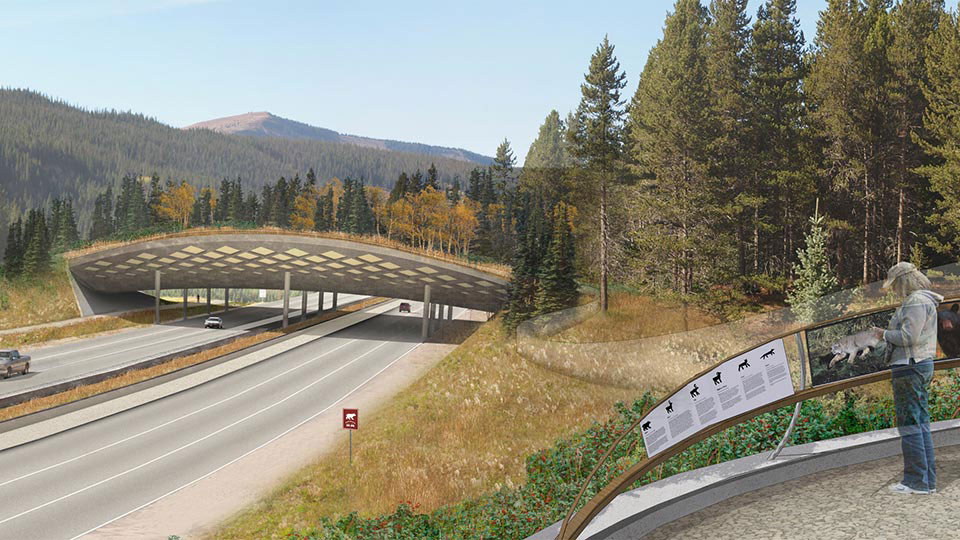
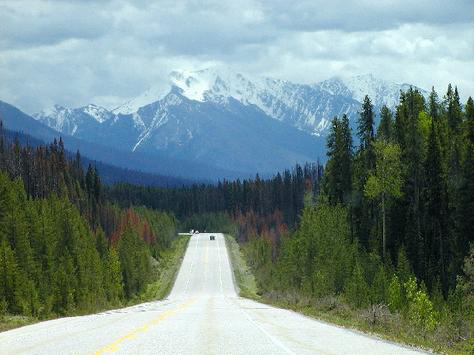
Superhighways allow us to move so far and so quickly that it’s possible to forget about the landscapes on either side of the road. As we extend and expand the network of roads, more motorists are moving faster through remote areas: areas that were once wilderness have become essentially urbanized. Our transportation networks have had the unintended consequence of rendering more of North America’s living landscape invisible to us. Chief among ARC’s objectives is not only to reduce the number and frequency of wildlife-vehicle collisions, but to use crossing infrastructure to change the way we see and understand our roads and the places through which they travel.
When designed and deployed correctly, and in the right context, crossing structures act as a new, visible layer of functioning landscape, weaving over and under our highways, in and out of the natural landscape. In this way, crossing structures can reveal and highlight the landscape and habitats our road networks have fragmented; they have the potential to express this remarkably—even beautifully.
Just as suspension bridges can be elegant and delicate in appearance but strong in function, wildlife crossings—whether overpasses or underpasses—can be beautiful in their simplicity while effective in linking habitats.
We believe crossing structures as solutions ought to be celebrated, visible and beautiful. But we know they must also be legible to function properly and to register with the animal clientele. This means that wildlife crossing structures must be specific to the species they are designed to protect, and for the context into which they are installed. In this way, crossing structures can become symbolic of place: their designs can signal we are in the landscape, each one slightly different in each context.
It’s also clear that people need to see the bridges (both overpasses and underpasses) to know they are there and that they work. When they see a crossing, people understand just how the chicken (or bear or deer) crossed the road successfully.
What’s different about building a bridge for wildlife?
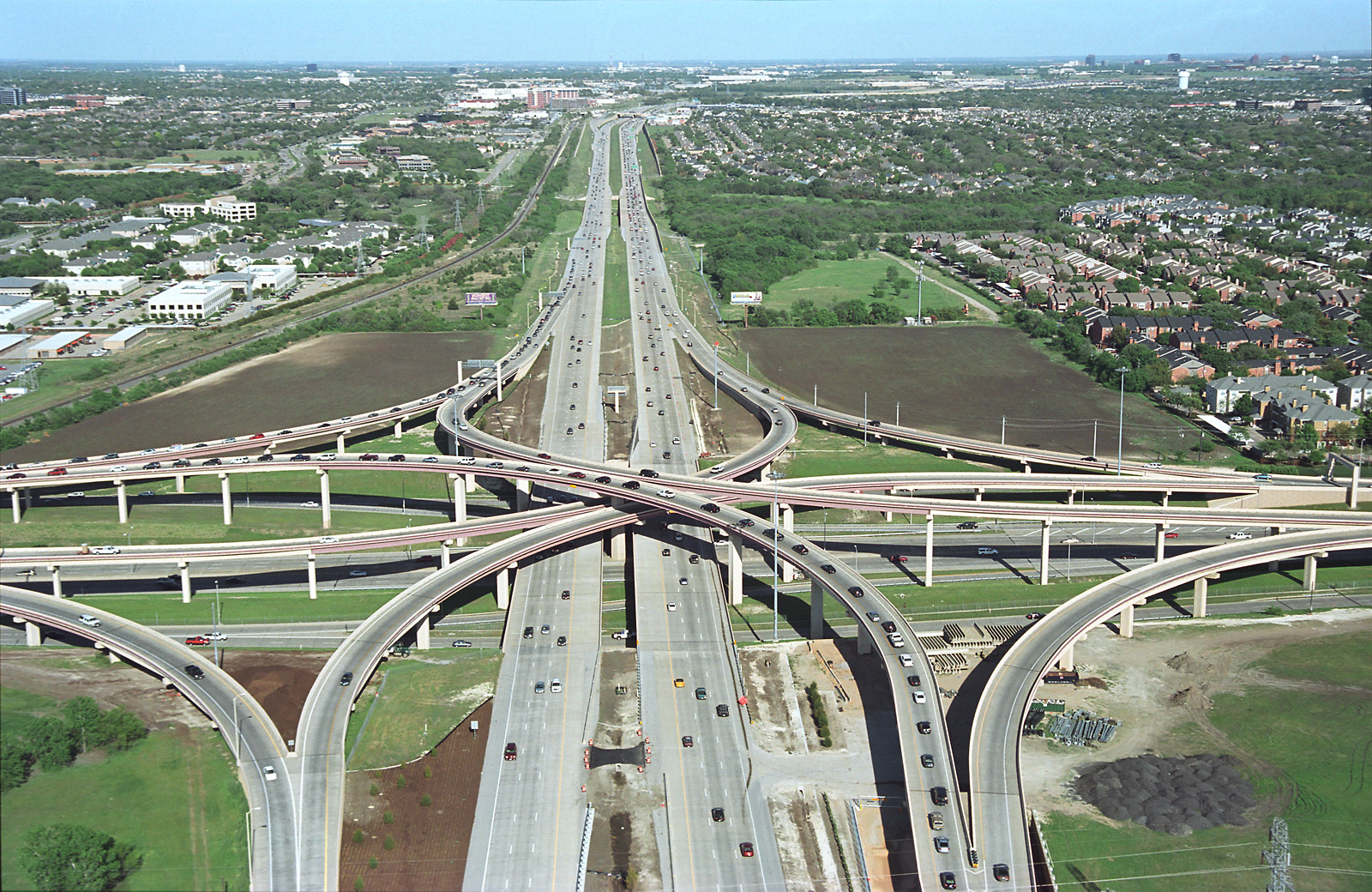
Wildlife crossing structures are really a new category of infrastructure. They require a collaborative, interdisciplinary systemic approach for effective planning and design. Single, iconic bridges will not accomplish much. To be effective at the most functional level, we need a network of crossings, just as highways are a network of roads.
Highway engineering and transportation planning have traditionally been highly compartmentalized activities in which various experts work separately on distinct aspects of a project. Yet wildlife crossing infrastructure cannot be planned this way for the simple reason that there is more than one “client” for the project. Both humans and animals have different and sometimes competing needs related to any given crossing structure; some species prefer overpasses, while others prefer underpasses. All require safety.
But resolving such a design challenge requires more creativity and expertise than any one specialist affords. For this reason, wildlife infrastructure design is necessarily a collaborative craft, one that requires the input of many different types of experts, from ecologists to architects to landscape designers to engineers and transportation specialists. Road ecologists who study and understand animal interactions with highways must work proactively with the federal agencies and state departments of transportation that are responsible for engineering the roads to cleaning up roadkill.
This type of proactive and creative collaboration has the potential to transform the ways in which human infrastructure and animal movement coexist. One day, perhaps crossings will become a defining feature of the American landscape experience.